Articles


Opinion

Published on 12 January 2026

Biosimilars: still safe, still effective, still not generics. Why is FDA suddenly pretending they are?

Abstract:The US Health and Human Services (HHS) and the US Food and Drug Administration’s (FDA) new initiative to ‘genericize’ biosimilars by fast-tracking approvals and eliminating key clinical and switching studies represents a radical departure from established global regulatory science. This policy dismisses the foundational distinction between complex biologicals and simple generic drugs—a distinction unanimously upheld by international regulators like…

Author(s): Michael S Reilly, Esq, Professor Philip J Schneider, MS, FASHP, FASPEN, FFIP, Andrew Spiegel, Esq

biosimilars, FDA guidelines, genericization of biosimilars, interchangeable biosimilar, pharmacy substitution, totality of evidence

DOI: 10.5639/gabij.2026.1501.


129 views

Original Research

Published on 16 December 2025

A bioequivalence study of paliperidone palmitate once-monthly (156 mg/mL) extended-release injectable in patients with schizophrenia 

Study objective: To evaluate the steady-state pharmacokinetic bioequivalence of Mylan’s paliperidone palmitate extended-release injectable suspension 156 mg/mL (test formulation) with Janssen’s Invega Sustenna (R) (paliperidone palmitate) extended-release injectable suspension 156 mg/mL (reference formulation), in patients with schizophrenia, and to evaluate the safety and tolerability of the test formulation. Methods: The study was designed based on the…

Author(s): Ofer Agid, MD, J Christopher Gorski, PhD, Mark Shiyao Liu, MS, Prasanna C Ganapathi, MD, Mohna Mukund Toro, MD, Pradeep Purushottamahanti, MBBS, MBA

bioequivalence, long-acting injectable antipsychotic, paliperidone palmitate, pharmacokinetics, schizophrenia

DOI: 10.5639/gabij.2026.1501.


85 views

Original Research

Published on 15 December 2025

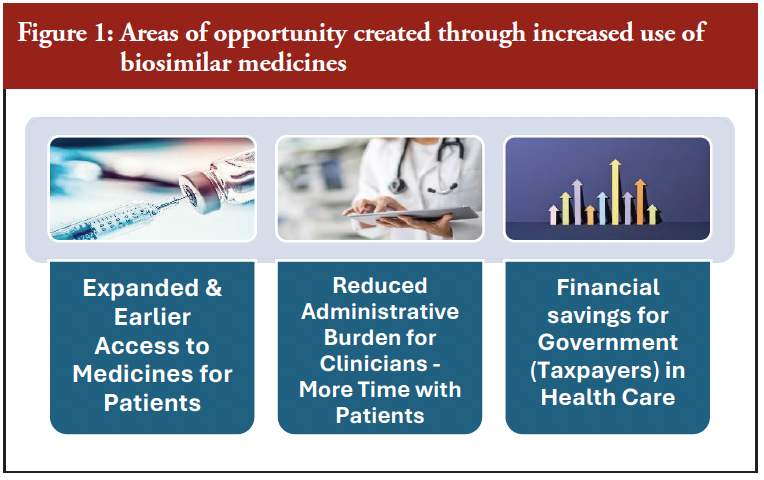
Australian biosimilar policies not delivering on intended outcomes: where to from here?

Introduction/Background: Biosimilar medicines represent an opportunity to expand access to medicines and reduce costs for payers through increased uptake. Australia is not fully capitalising on this opportunity relative to other Organisation for Economic Co-operation and Development (OECD) countries, reflected in comparisons of biosimilar medicines uptake by other OECD countries. Understanding of international examples can help to…

Author(s): Chad Rieger, MBA, BSc Pharm, Clint Holland

Australia, biosimilars, drivers, government strategies, policy, uptake

DOI: 10.5639/gabij.2025.1403.017


84 views

Original Research

Published on 10 November 2025

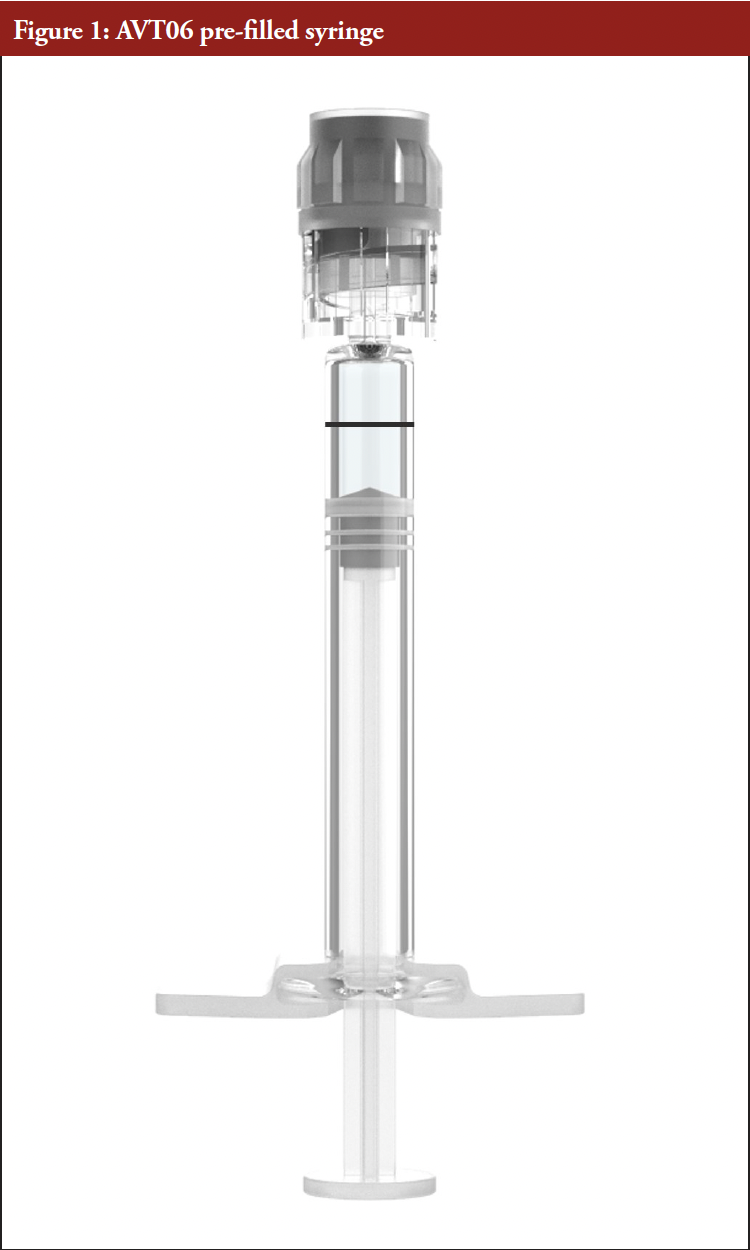
Effective and safe handling of pre-filled syringe (PFS) for administration of biosimilar candidate AVT06 (aflibercept) in patients with chorioretinal vascular diseases

Introduction: Chorioretinal vascular diseases are among the leading causes of irreversible blindness in industrialized countries. The prognosis of chorioretinal vascular diseases has been largely improved with the introduction of the vascular endothelial growth factor (VEGF) inhibitors, biological drugs which have become the first line therapy for patients with these conditions. The development of biosimilars may…

Author(s): Silvia Cirillo, PhD, Riken Soni, MPharm, Masna Rai, PhD, Steffen Leutz, PhD, Eveline Schurink, MD, Fausto Berti, PharmD, PhD

aflibercept, AVT06, biosimilar, chorioretinal disease, Eylea, PFS

DOI: 10.5639/gabij.2025.1403.016


179 views

Original Research

Published on 27 October 2025

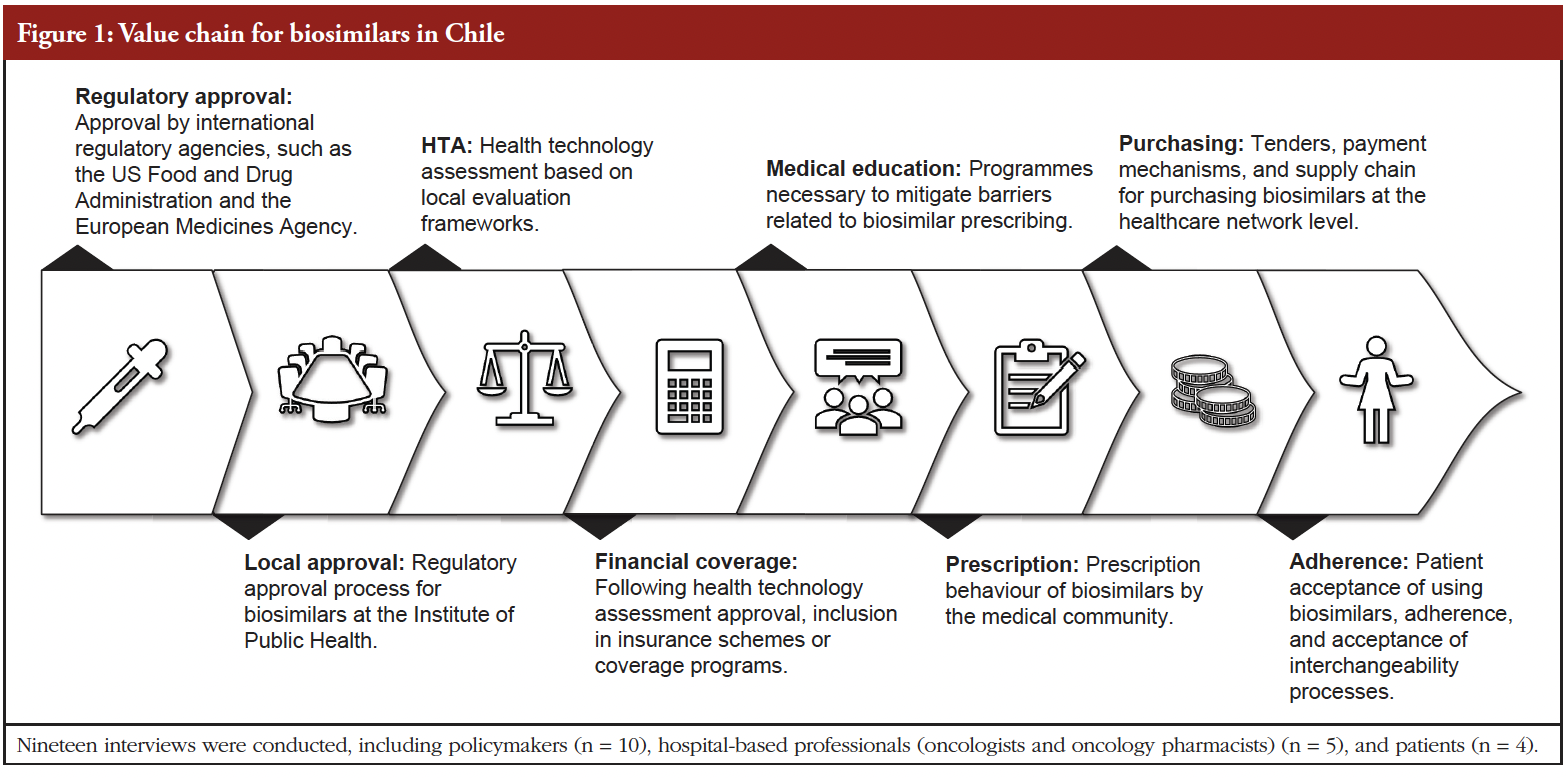
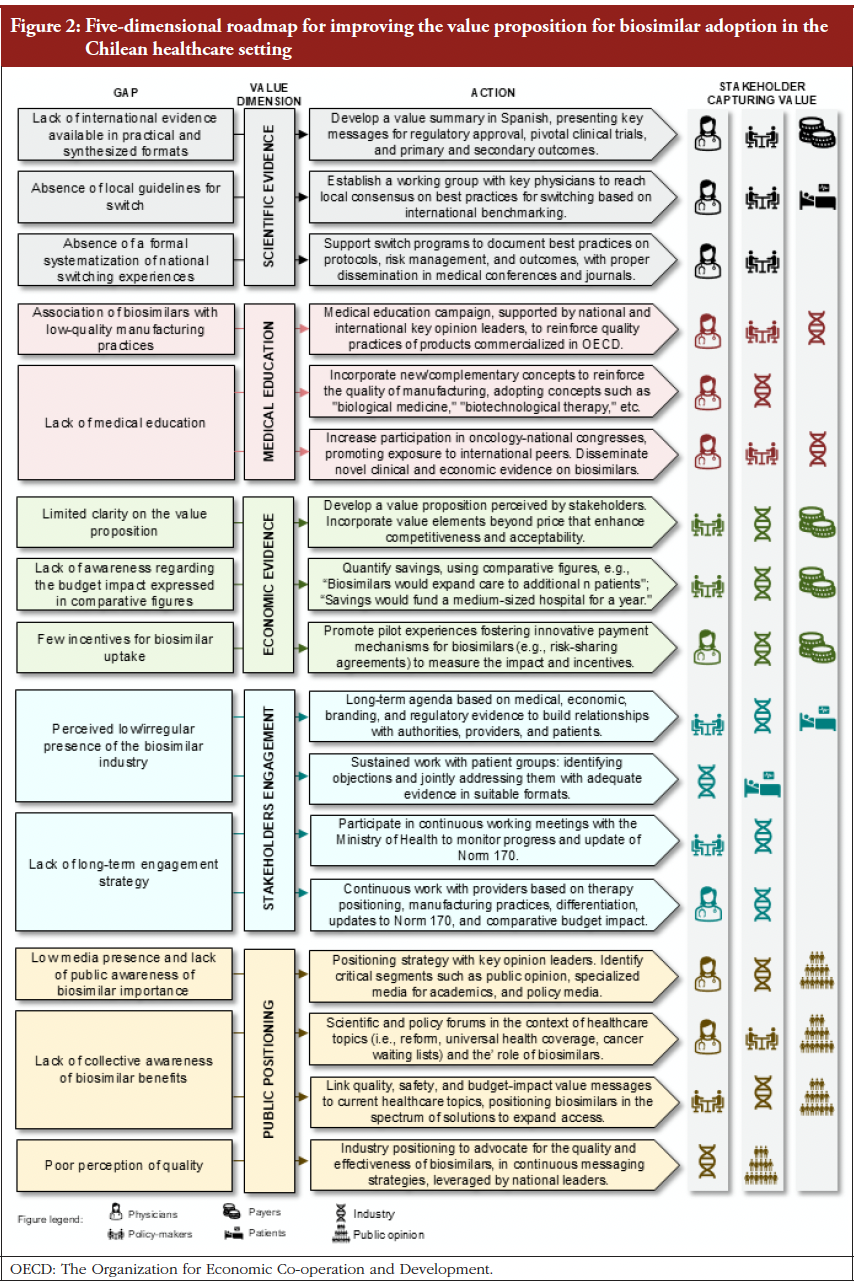
Barriers to expanding biosimilars in oncological indications in Chile: A value-chain approach to understand visions and propose recommendations for improving value proposition

Introduction and Study Objectives: Despite their well-established potential to reduce healthcare expenditures, biosimilars have not achieved widespread adoption in Chile, particularly in oncology. The lack of regulatory incentives and reimbursement frameworks only partially explains this phenomenon. This study aims to identify key barriers to biosimilar adoption in the Chilean healthcare system and propose strategic recommendations…

Author(s): Associate Professor Daniela Maria Paredes-Fernández, RM, MPH, Associate Professor Rony Christian Lenz-Alcayaga, MA 

access barriers, biological medicines, biosimilar pharmaceuticals, healthcare financing, oncology

DOI: 10.5639/gabij.2025.1403.015


100 views

Editorial

Published on 27 October 2025

Biosimilars in oncology: beyond regulation—building confidence through evidence and dialogue

Abstract: This editorial discusses systemic barriers limiting oncology biosimilar adoption in Chile and Latin America, emphasizing trust, education, and coordinated policy actions to strengthen value, equity, and confidence in biosimilars. The manuscript by Paredes-Fernández and Lenz-Alcayaga [1] addresses a key but often neglected question in Latin America: why have biosimilars, despite their proven safety, efficacy,…

Author(s): Professor César Humberto Oyarzo Mansilla, MEcon

biosimilars, Chile, education, oncology, public policy, social trust

DOI: 10.5639/gabij.2025.1403.013


48 views

Editorial

Published on 20 October 2025

Rising costs of biologicals: effective cost-containment does not please all stakeholders

Abstract: Rieger and Holland provided a report of a stakeholder meeting dealing with the biosimilar uptake in Australia. The proposed policy measures reported may not have a dramatic effect on the biosimilar uptake. From the scientific and medical point of view, the biotech industry has developed wonderful medicines for treating chronic and life-threatening diseases. Unfortunately,…

Author(s): Adjunct Professor Pekka Kurki, MD, PhD

biosimilars, cost containment, health professionals, substitution, tender

DOI: 10.5639/gabij.2025.1403.014


94 views

Sponsored Article

Published on 10 October 2025

Biosimilar trial failed? Investors get their money back: a new insurance model redefines clinical trial financing

Abstract: A new insurance-backed financing model for biosimilars uses AI-powered underwriting to cover clinical trial costs if they fail. This reduces risk, improves capital access, and minimizes equity dilution for developers. Introduction Developing biosimilars has always involved a complex calculus of risk, capital, and time. Now, a newly launched insurance-backed financing model could dramatically change…

Author(s): Tomas J Philipson, PhD, Dhruva Gupta, MD, Jacob Shia, MBA, Rahul Gupta, MD, MPH, MBA, FACP

AI underwriting, biosimilars, clinical trial insurance, drug development financing, non-dilutive capital, risk management

DOI: 10.5639/gabij.2025.1402.011


265 views

Original Research

Published on 07 October 2025

Therapeutic equivalence of a formulation of purified micronized flavonoid fraction of diosmin/hesperidin 450 mg/50 mg in healthy adults: an open-label, randomized, single-dose, crossover study

Introduction/Study objectives: Given that the purified micronized flavonoid fraction (diosmin/hesperidin 450 mg/50 mg) is a formulation with low water solubility, granulated form, and low intestinal membrane permeability, the present bioequivalence study was conducted to compare Dipemina® (T: tested) with Daflon® (R: reference product).Methods: A phase I, open-label, randomized, two-period, two-treatment (2x2) crossover study was carried…

Author(s): Katherine Bouyer Sáez, Francisco Fuentes Poblete

bioequivalence, diosmin/hesperidin, purified flavonoid fraction

DOI: 10.5639/gabij.2025.1402.007


371 views

Special Report

Published on 06 October 2025

Follow-on biologicals/biosimilars approved in Brazil: September 2025 update

Abstract: In Brazil, the legal framework for approving biosimilars was established in 2010 and the first biosimilar product was approved in 2015. In June 2024, RDC 875 introduced new provisions, including the use of international reference drugs and the possibility of waiving non-clinical and comparative clinical studies under certain conditions. By September 2025, ANVISA had…

Author(s): German Enrique Wassermann, PhD, Sílvia Helena Cestari de Oliveira, MSc

biosimilars, Brazil, clinical studies, regulatory framework

DOI: 10.5639/gabij.2025.1402.008


482 views

Editor's Letter

Published on 10 August 2025

A spectrum of generics and biosimilars: research, reports, and interviews

In this second issue of 2025, we have a diverse spectrum of publications which include one original research paper in the generics area and biosimilar-focused articles which comprise one special report, one meeting report, one interview and one sponsored article.  The first article in this issue is an Original Research paper titled ‘Therapeutic equivalence of…

Author(s): Robin Thorpe, PhD, FRCPath

DOI: 10.5639/gabij.2025.1402.006


28 views

Interview

Published on 15 April 2025

Turkey’s biotech manufacturing ambitions: Yerlika Biopharma’s strategic role

Abstract:Yerlika Biopharma is a pioneering biotechnology company in Turkey. Company CEO, Hasan Zeytin, MD, PhD, spoke to GaBI (Generics and Biosimilars Initiative) about the company’s strategic focus. Yerlika is dedicated to reducing the country’s dependency on imported biological products through localizing biopharmaceutical production in Turkey. With state-of-the-art manufacturing facilities, the company also aims to expand…

Author(s): GaBI Journal Editor

biopharma, biopharmaceutical, biosimilars, biotech, Turkey

DOI: 10.5639/gabij.2025.1402.010


685 views